
MBBS, DNB (Ortho. Surgery)
Dr. Md Shahbaz Siddiqui
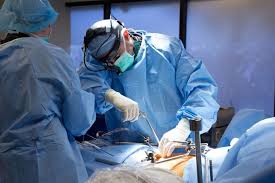
Dr Md Shahbaz Siddiqui is an orthopaedic surgeon with experience in wide array of cases and has worked in many prestigious institutions like Sir Gangaram Hospital, Delhi and Fortis Escorts, Delhi. He has expertise in all aspects of orthopaedics ranging from mild joint pain, back pain ,arthritis to complicated spinal and joint surgeries. He has performed innumerable knee and hip replacements, ligament reconstructions by key 🔑 hole spinal surgeries, corrected CTEVs and fractures . He has published various articles on joint replacement and complex fracture management in international journals of orthopaedics. Doctor specializes in minimally invasive arthroscopic surgeries and painless surgeries.
Our Services
Service We Provide
KNEE REPLACEMENT
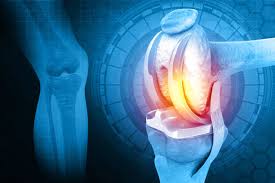
Knee replacement, or knee arthroplasty, is a surgical procedure performed to relieve pain and restore function in a severely damaged knee joint.
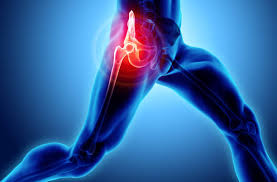
HIP REPLACEMENT
Hip pain from arthritis, injury, or degenerative conditions can severely limit your ability to walk, work, or enjoy daily life.A hip replacement.
SPORTS INJURIES
Sports injuries is a surgical specialty focused on the treatment of injuries to muscles, bones, joints, and ligaments sustained during sports or physical activity.
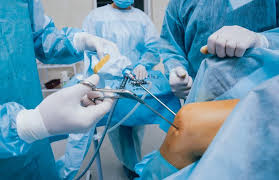
MENISCAL INJURIES
The meniscus is a C-shaped cartilage in the knee that acts as a shock absorber between the thighbone (femur) and shinbone (tibia). Meniscal injuries,.
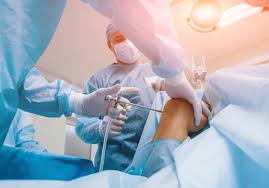
PRP THERAPY
Platelet-Rich Plasma (PRP) Therapy is a cutting-edge regenerative treatment that uses a patient’s own blood to promote natural healing of injured regeneration.
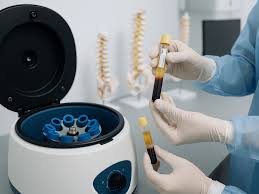
TRAUMA
Trauma refers to a serious injury or shock to the body caused by violence, or other physical forces. Abstract imagery that conveys the feeling or impact of trauma.


Book Your Appointment


Our Testmnials
Patients praise Dr. Md Shahbaz Siddiqui compassion.
Get In Touch
Discover Excellent Ortho Care Near You
Bringing 15+ Years of Medical Expertise to You
Frequently Asked Questions
What is shoulder replacement surgery?
This surgery replaces the ball-and-socket joint of the shoulder with metal and plastic parts. It’s usually used as a last resort to treat severe damage, deformity, or chronic pain.
How successful is the surgery?
Shoulder replacement surgery is very successful at relieving pain, but it’s not perfect. You might still feel some pain when the weather changes or if you’re too active. The amount of improvement in range of motion is less predictable than pain relief.
What can you never do after knee replacement?
- do not sit with your legs crossed for the first 6 weeks.
- do not sleep with a pillow under your knee (you do not need to sleep in a special position after the operation)
- do not kneel on your new knee until your doctor says you can.
- do not stand for long periods of time as this could cause swelling in your ankles.
What is the best position to sit after knee replacement?
After knee replacement surgery, the best sitting position involves maintaining a straight knee, avoiding prolonged sitting, and using a firm chair with armrests and back support.
Who is a candidate for hip replacement surgery?
Candidates include individuals with severe hip pain, joint stiffness, and limited mobility due to arthritis, injury, or degeneration, especially when non-surgical treatments have not provided relief.
How long does it take to recover from a sports injury?
With proper at-home treatment, minor strains and sprains can take a week or so to heal before you’re back in the game. More severe injuries of this nature, however, can take three months or longer in some cases.
What is the most painful sports injury?
The “worst” sports injury is subjective. But injuries like torn ACLs, herniated discs, compound fractures, and dislocated joints are often considered among the most painful and challenging to recover from.
How is trauma treated?
Post-traumatic stress disorder treatment can help you regain a sense of control over your life. The main treatment is talk therapy, also known as psychotherapy. But treatment also can include medicine.
How can trauma affect people?
You may experience some or all of the following:
- too much emotion
- too little or no emotion
- depression
- feeling hopeless, helpless, worthless
- shame, fear
- anger, rage
- grief, sadness n anxiety, panic attacks.
How can I prepare myself for the operation?
If you smoke, stopping smoking now may reduce your risk of developing complications and will improve your long-term health.
Try to maintain a healthy weight. You have a higher risk of developing complications if you are overweight.
Regular exercise should help to prepare you for the operation, help you to recover and improve your long-term health. Before you start exercising, ask the healthcare team or your GP for advice.
Speak to the healthcare team about any vaccinations you might need to reduce your risk of serious illness while you recover. When you come into hospital, practise hand washing and wear a face covering when asked.
What are the benefits of surgery?
You should have less pain and be able to use your shoulder better.
What are the common orthopedic surgeries?
Common surgeries include joint replacement (knee/hip), arthroscopy, fracture repair, spine surgery, ligament reconstruction, and carpal tunnel release.
Our Team